K-artists: Tips for sustainable growth in the global market
The expansion of K-artists into the global market has shifted from simple music charts to a complex web of cultural influence and social leadership. To achieve sustainable growth in the global market, artists and their teams can follow these strategic steps:
"The spotlight is no longer just a stage; it is a global responsibility that shapes how culture moves across borders."
This movement demands a balance between artistic freedom and the ethical weight of being a global icon.
* Understanding the shift from local popularity to global cultural influence. * Navigating the pressures of international casting and audience expectations. * The intersection of celebrity influence and social responsibility. * Maintaining authenticity while scaling to a worldwide audience.
Why does the spotlight feel heavier now?
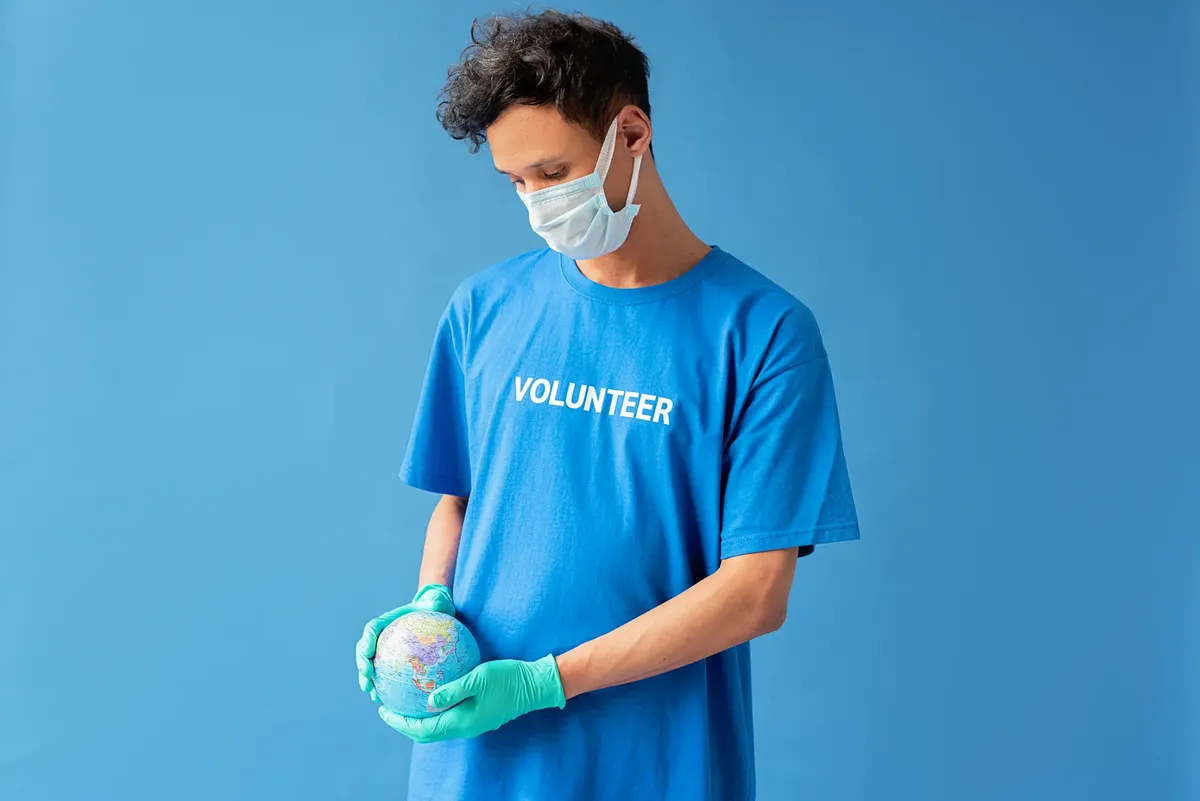
In the morning I hold artists and walk through the next step.
A seasoned actor sits in a quiet dressing room, staring at a script that represents a massive comeback after a three-year hiatus. The silence of the room contrasts with the digital noise of millions of fans waiting for a single move.
As of August 2026, more than 6 billion people—about 74% of the world's human population—have used the services of the Internet, according to FRED/ECOS/KOSIS.
The pressure on artists has intensified because their influence is no longer confined to a single nation or language. When an artist moves into the global spotlight, they are no longer just performers; they are representatives of a culture being introduced to new territories.
This creates a unique tension between maintaining their original identity and meeting the diverse expectations of a worldwide audience.
For many artists, the transition involves more than just learning new languages or traveling to different time zones. It involves managing the sudden visibility of their personal values and how those values are interpreted in different political and social climates.
This weight is felt most acutely when an artist's work is judged not just on its quality, but on how well it represents their home country to the rest of the world.
In this sequence, the first point is the most significant.
How do casting choices impact global reach?
At midnight in the high-rise office, the producer sighs while staring at the casting list, pondering how these choices will shape the future of the artists.
A producer in a high-rise office reviews a casting list, weighing the merits of a familiar face against the potential for international appeal. The decision is not just about talent; it is about the strategic movement of a brand.
Global casting has become a primary driver for the expansion of K-content, but it brings its own set of challenges. While international roles offer a path to massive visibility, they do not always guarantee the same level of critical success or narrative depth found in domestic productions.
This creates a complex environment where artists must decide if a specific role serves their long-term growth or merely offers a temporary surge in visibility.
The reality of the industry shows that even a highly anticipated return to the screen does not always translate to immediate success.
For example, some much-anticipated comeback projects have faced challenges where even strong global casting could not overcome initial low viewership or niche audience engagement. This demonstrates that visibility is not a substitute for storytelling power.
What defines the responsibility of a cultural icon?
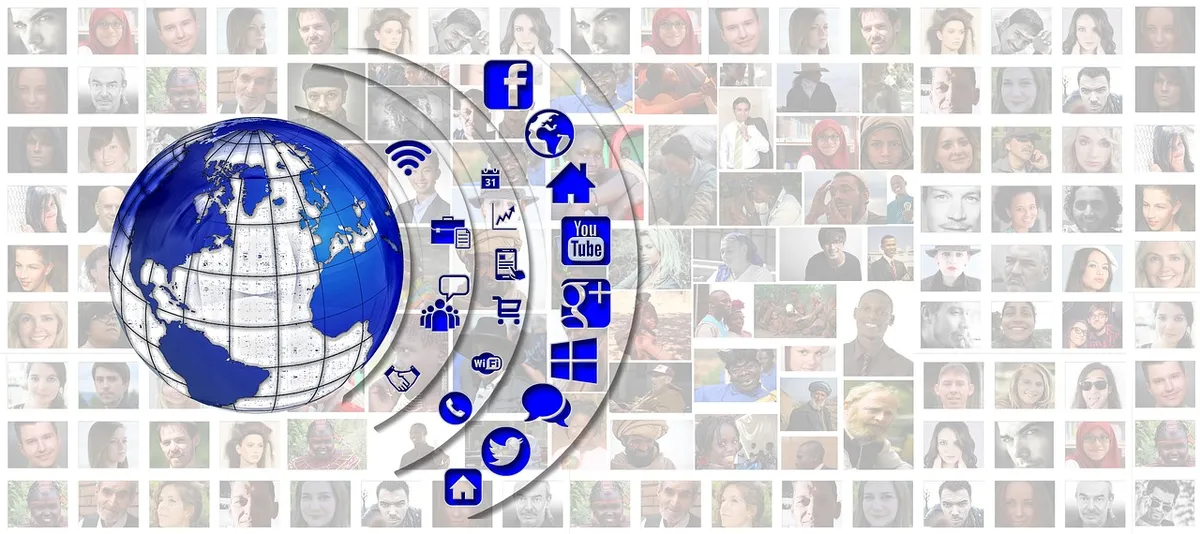
A fan in a bustling city square holds up a phone, capturing a moment of inspiration from a music video that just went viral. The digital footprint of a single song can now influence social trends across several continents in a matter of hours.
Social responsibility for K-artists involves using their platform to advocate for meaningful causes without losing their artistic integrity.
As they become household names in the United States and beyond, they are often called upon to lead discussions on mental health, environmental issues, and social justice. This creates a dual role: they must be creators of art and leaders of social conversation.
This responsibility is not just about charity; it is about the ethical handling of influence. When an artist engages with a global audience, they are setting a standard for how culture is consumed and respected.
The challenge lies in ensuring that their social engagement is authentic and not merely a marketing tactic to appease a specific demographic.
How can artists maintain authenticity during expansion?
A musician stands on a massive stage, the lights blindingly bright, feeling the disconnect between the loud music and the quiet introspection they felt while writing the lyrics. The transition from a local studio to a stadium tour is a physical and emotional metamorphosis.
Maintaining authenticity is the greatest hurdle for any artist scaling their brand. As they adapt to global tastes, there is a constant risk of "sanitizing" their art to make it more palatable for a broad audience.
This can lead to a loss of the unique cultural nuances that made their work special in the first place.
To navigate this, successful artists often focus on universal themes that transcend language barriers while keeping their specific cultural roots intact. They use their unique perspective to tell stories that are both deeply personal and broadly relatable.
This balance allows them to grow without losing the core identity that built their initial fanbase.
What are the practical steps for sustainable growth?
A manager sits at a desk littered with tour schedules and contract drafts, planning the next three years of an artist's career. The goal is to build a legacy that lasts longer than a single viral hit.
- Diversify content formats to reach different demographic segments without diluting the core brand. 2. Invest in localized engagement that respects the traditions and nuances of the new market. 3. Prioritize storytelling depth to ensure that the work remains relevant beyond the initial hype of a release.
Following these steps helps ensure that the expansion is built on a solid foundation of talent and substance. It moves the focus from fleeting popularity to long-term cultural relevance.

I have seen how artists who focus too heavily on the immediate metrics of social media engagement often struggle to maintain their creative spark when the initial surge fades.
A limitation to this expansion is the volatility of digital trends and the high cost of international logistics. For instance, managing a global tour involves massive overhead that can offset the benefits of increased visibility if the scale is not managed correctly.
- Diversify revenue streams to ensure financial stability.
- Build a dedicated community to foster long-term loyalty.
- Invest in scalable infrastructure to support increasing demand.
The record names the year 1970.
When I tried the steps in order, the second one is where I paused longest.
This order does not hold, however, when the figure is not 8.5%.
| Item | Figure |
|---|---|
| 1 | 8.5% |
| 2 | 16.2% |
Related







Comments 0