Polestar 4 Renault Korea shift: How to guide electric SUV
"The automotive landscape is shifting toward electric power, requiring legacy players to navigate complex alliances and ownership changes to remain competitive."
The Polestar 4 Renault Korea shift represents a strategic move to navigate the evolving electric SUV market through brand restructuring and partnership management. This transition involves understanding how ownership changes, like Volvo's stake reduction, influence brand direction.
Key takeaways include managing cross-ownership, adapting to technological shifts, and responding to global market movements.
How does the Polestar 4 Renault Korea shift relate to global alliances?
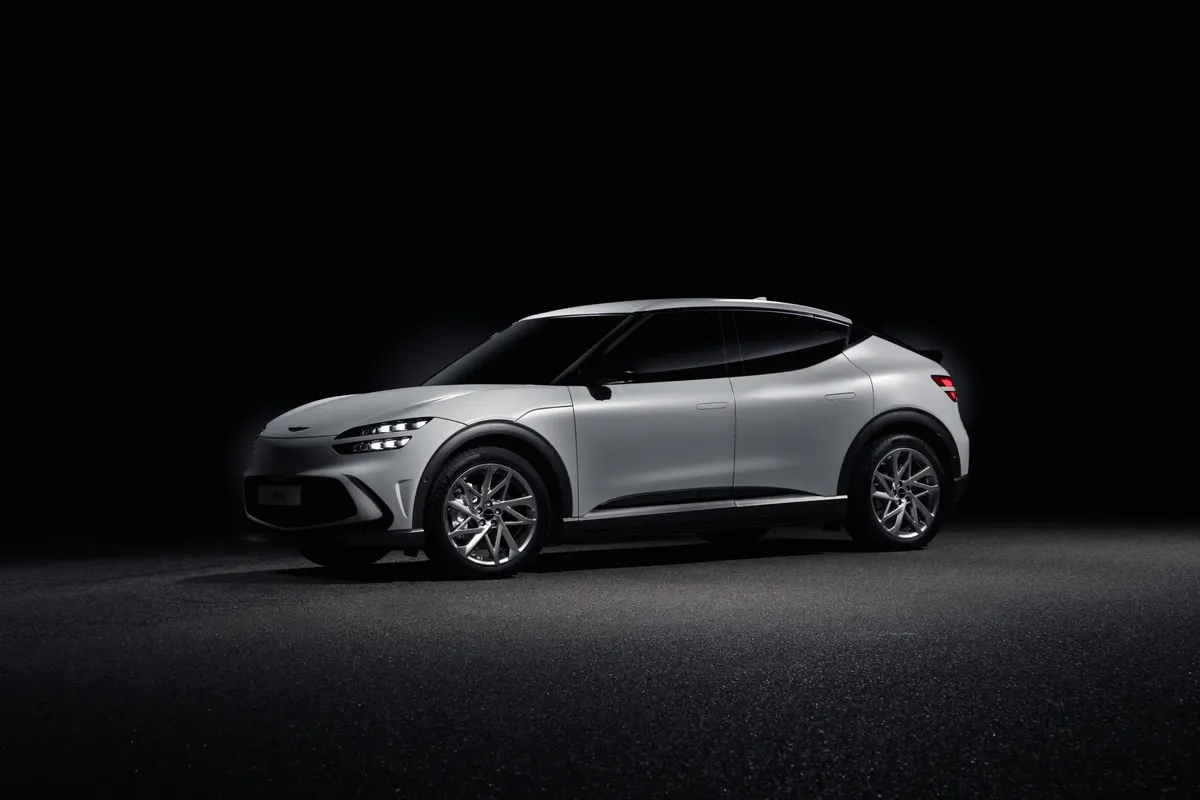
A designer sits at a desk, tracing the lines of a new electric silhouette while reviewing historical partnership documents. The Polestar 4 Renault Korea shift begins with understanding how modern brands emerge from established, complex networks.
According to the Mitsubishi Alliance, it has been part of the Renault–Nissan–Mitsubishi Alliance (previously Renault–Nissan Alliance) since 1999.
The current movement is shaped by history, such as the Renault–Nissan–Mitsubishi Alliance which has been in place since 1999. This alliance, which began as the Renault–Nissan Alliance, represents a unique cross-ownership model between Japanese and French companies.
Such foundational structures dictate how companies like Renault manage their current brand identity and future electric transitions.
The history of these companies shows that alliances often define the boundaries of innovation.
Understanding these roots helps clarify how today's electric SUV strategies are built on decades of shared resources and technical frameworks.
This strategic realignment demonstrates how shifting corporate ties can reshape regional market presence.
What role does ownership change play in the Polestar 4 brand pivot?
An executive reviews a spreadsheet showing shifting percentages of ownership across various automotive sectors. The Polestar 4 brand pivot is heavily influenced by recent decisions regarding equity and stake management within parent companies.
Ownership changes can fundamentally alter a brand's trajectory and its ability to focus on specific segments like electric SUVs. In February 2024, Volvo Cars announced its plan to reduce its stake in Polestar by the third quarter of 2024 from currently 48.3% to around 18% by ceding it to ZGH.
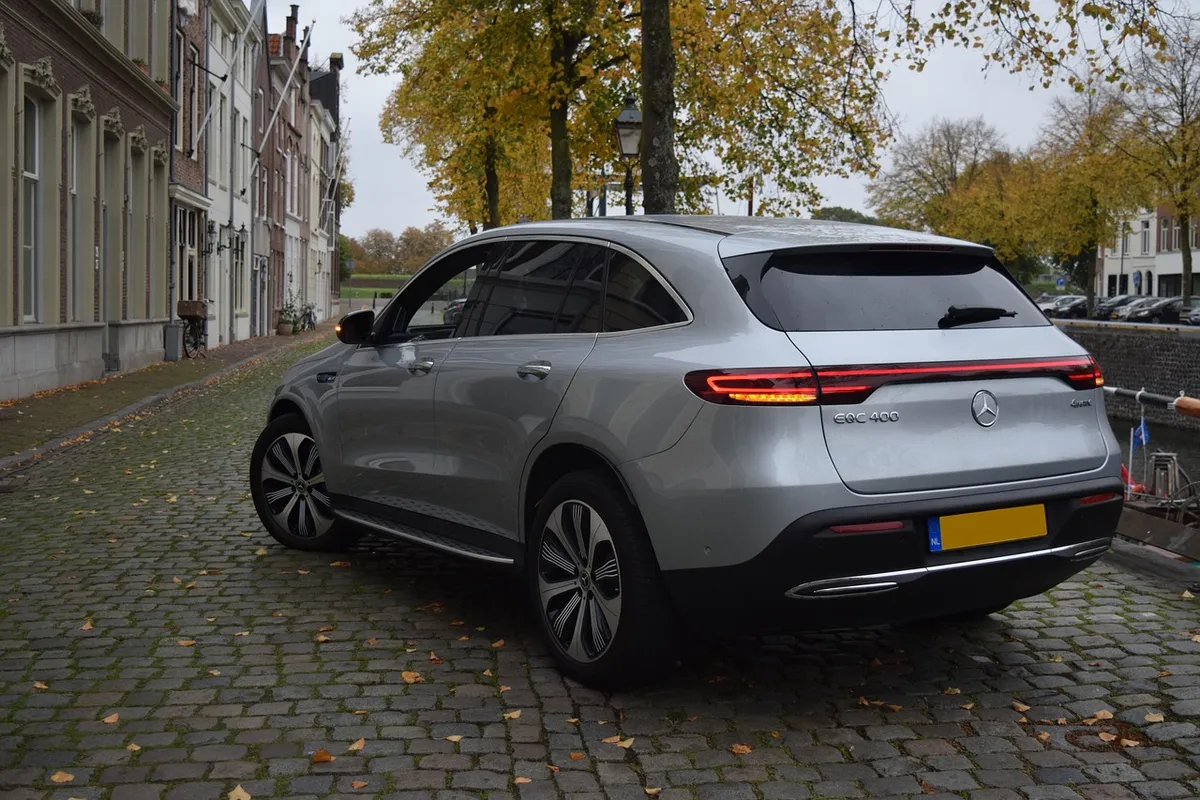
This shift changes the decision-making power and strategic focus for the brand.
These adjustments are often necessary to reallocate resources or respond to market pressures. When a major stakeholder reduces its interest, it creates a new environment for the brand to establish its own identity.
Such moves are critical when a brand attempts to transition into a specialized electric SUV leader.
The transition in leadership facilitates a more focused approach to brand identity.
How does the Electric SUV strategy change impact market competition?
A technician examines a high-voltage battery pack while discussing market positioning with a colleague. The Electric SUV strategy change requires companies to balance heritage with the rapid pace of electrification.
According to the Nissan Alliance, the Renault–Nissan Alliance is the first of its kind involving a Japanese and a French company, including cross-ownership, starting on 27 March 1999.
In the past, brands used various models to test market waters, such as the 1980s introductions of the Renault Alliance GTA and the Renault Fuego coupé in the US. Modern strategies now focus on much more specialized electric platforms.
The strategy must account for both the legacy of the nameplate and the technological requirements of the new era.
Competitive advantages are often found in how these companies manage their diverse portfolios. A brand must decide whether to remain a generalist or become a specialist in the electric segment. This decision-making process is central to the current shift seen in the industry.
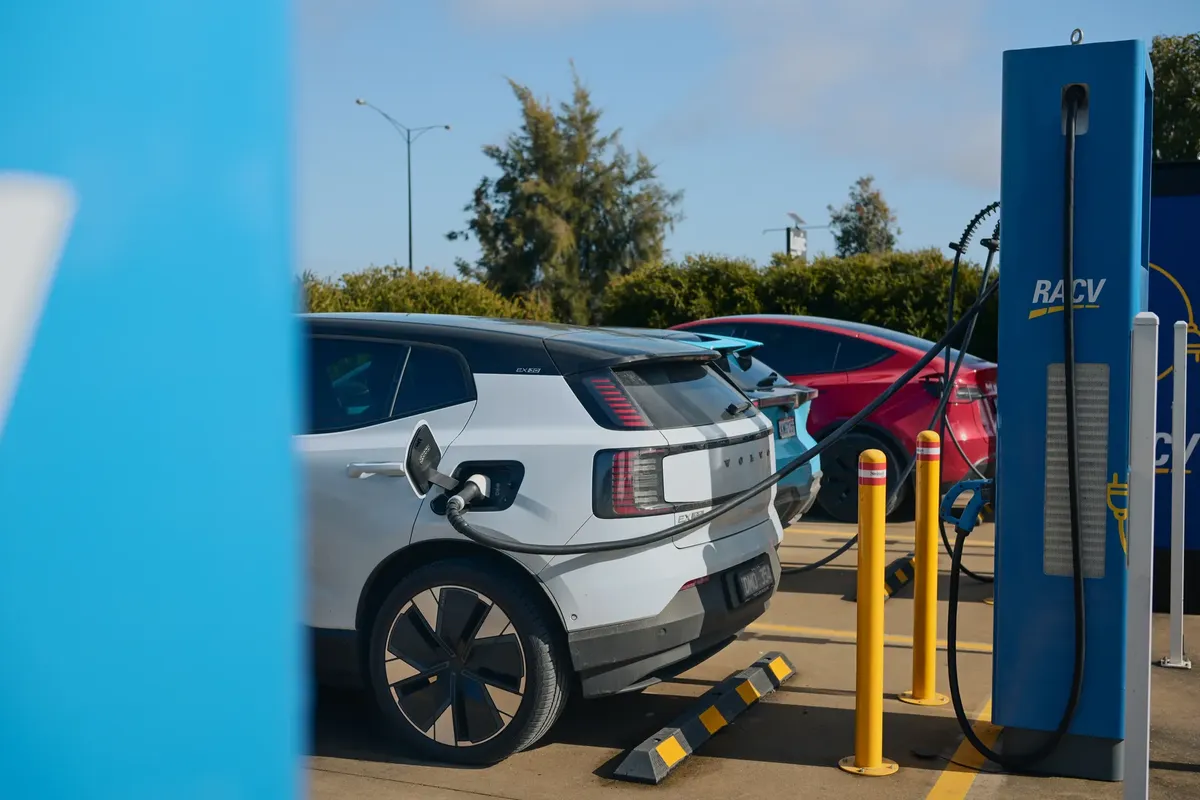
- Identify emerging consumer preferences for electric drivetrains.
- Reallocate resources toward high-growth SUV segments.
- Adjust pricing models to challenge established competitors.
What are the implications of the Renault's EV brand move for historical partners?
A manager looks at a map of global automotive manufacturing hubs, noting the connections between different corporate entities. The Renault's EV brand move must be viewed through the lens of existing corporate structures and joint ventures.
The complexity of modern automotive groups often involves intricate holdings, such as how Geely holds a 17% stake in Aston Martin and owns half of Horse Powertrain, an engine manufacturing joint venture with Renault.
These connections mean that a move in one brand can have ripple effects across the entire group.
Strategic shifts in one area often necessitate adjustments in another to maintain balance. When a company pivots toward electric SUVs, it must ensure that its joint ventures and legacy engine businesses remain stable. This delicate balance is a core component of the current transition.
In this sequence, the second step is the longest.
How does the Polestar 4 impact on SUV market dynamics work?
A salesperson demonstrates the features of a sleek, minimalist SUV to a group of interested buyers. The Polestar 4 impact on the SUV market is a direct result of how brands rebrand and refocus their technological assets.
The transition to electric power involves moving from traditional internal combustion engines to specialized electric drivetrains. This shift is not just about the vehicle, but about the entire brand identity.

As companies move away from older models, they must prove their capability in the high-tech SUV segment.
Success in this new market depends on how well a brand can execute its vision while managing its transition. The impact is felt when a brand successfully moves from a legacy manufacturer to a specialized electric player. This process requires a clear roadmap and strong financial backing.
The introduction of this model forces competitors to re-evaluate their own design and technological standards.
The same subject is also called Renault Korea EV SUV plan.
This part also covers Renault Korea electric vehicle development.
This part also covers Transitioning to EV SUV brand.
Related








Comments 0