Made in Korea 2 guide to its key cultural personalities
This article is about personalities. "Culture is not just about what we make, but how we share it with the world."
The second season of *Made in Korea* serves as a masterclass in how traditional values can be repackaged for a global audience through strategic storytelling and star power.
This guide explores the key personalities shaping the series, their specific roles in bridging Eastern and Western sensibilities, and how the show acts as a launchpad for the next wave of K-culture.
* Identify the core personalities driving the second season's narrative. * Understand the role of "cultural translators" in global content production. * Analyze the symbiotic relationship between reality programming and K-pop/K-drama promotion. * Evaluate the effectiveness of the series as a tool for soft power.
Who are the driving forces behind the second season?
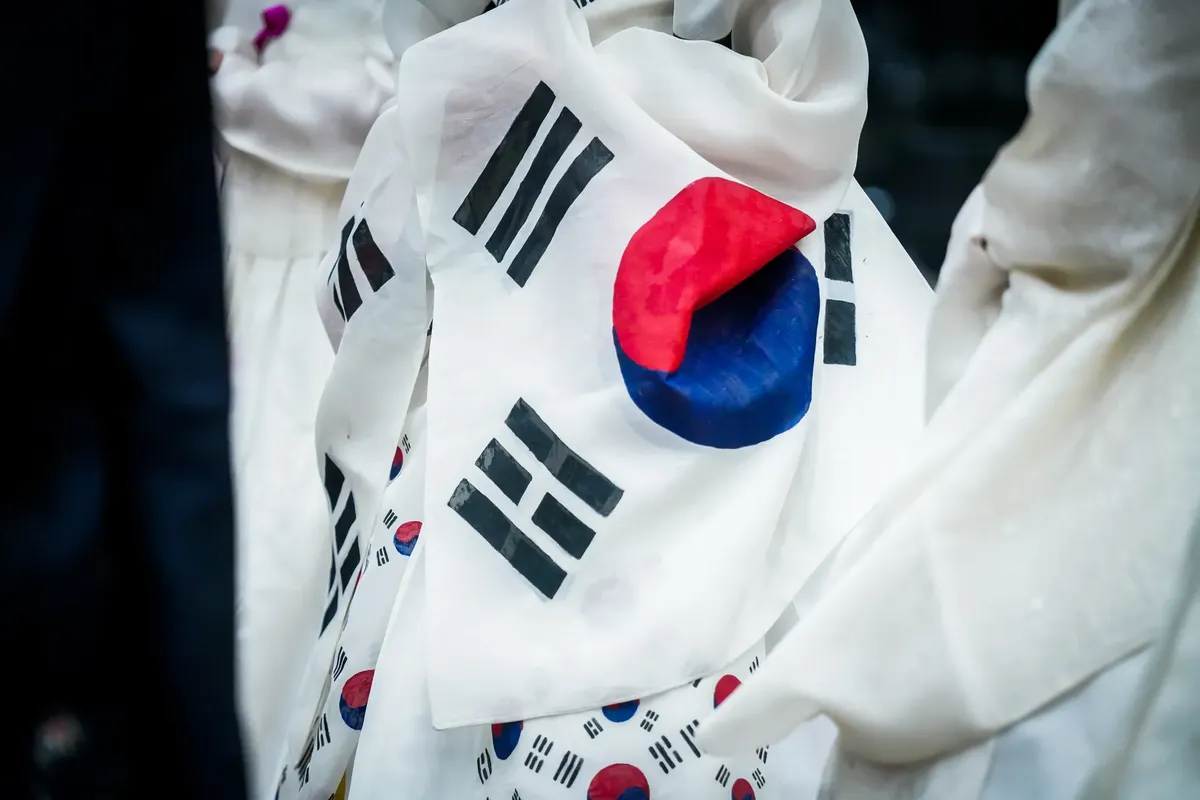
The studio lights hum quietly in the darkened room as the production team prepares for the first shoot of the morning. A single producer sits at the console, adjusting the levels to ensure every nuance of the dialogue is captured for the international feed.
The second season of *Made in Korea* focuses on a curated group of creators, producers, and performers who act as the architects of the show's identity.
Unlike the first season, which focused on broad discovery, this installment centers on individuals with established expertise in both traditional Korean arts and modern digital media.
These personalities are not just guests; they are the directors of the show's thematic direction, ensuring that every episode balances authentic heritage with high-gloss production values.
The personalities are categorized into three distinct roles: the Visionaries, the Artisans, and the Translators. The Visionaries handle the overarching concept, while the Artisans focus on the technical mastery of traditional crafts.
The Translators are responsible for the narrative flow that makes these elements digestible for a global viewer. By assigning these specific roles, the production ensures that the content remains grounded in reality while meeting the high standards of international streaming platforms.
The creative team focuses on expanding the original vision through collaborative storytelling.
How do personalities act as cultural translators?
A heavy wooden door creaks open, revealing a workshop filled with the scent of cedar and incense. A young designer carefully places a modern LED light fixture next to a traditional hand-painted screen, looking for the exact moment where the two eras meet.
The personalities in *Made in him Korea* serve as "cultural translators," bridging the gap between Korean tradition and Western or other global market expectations.
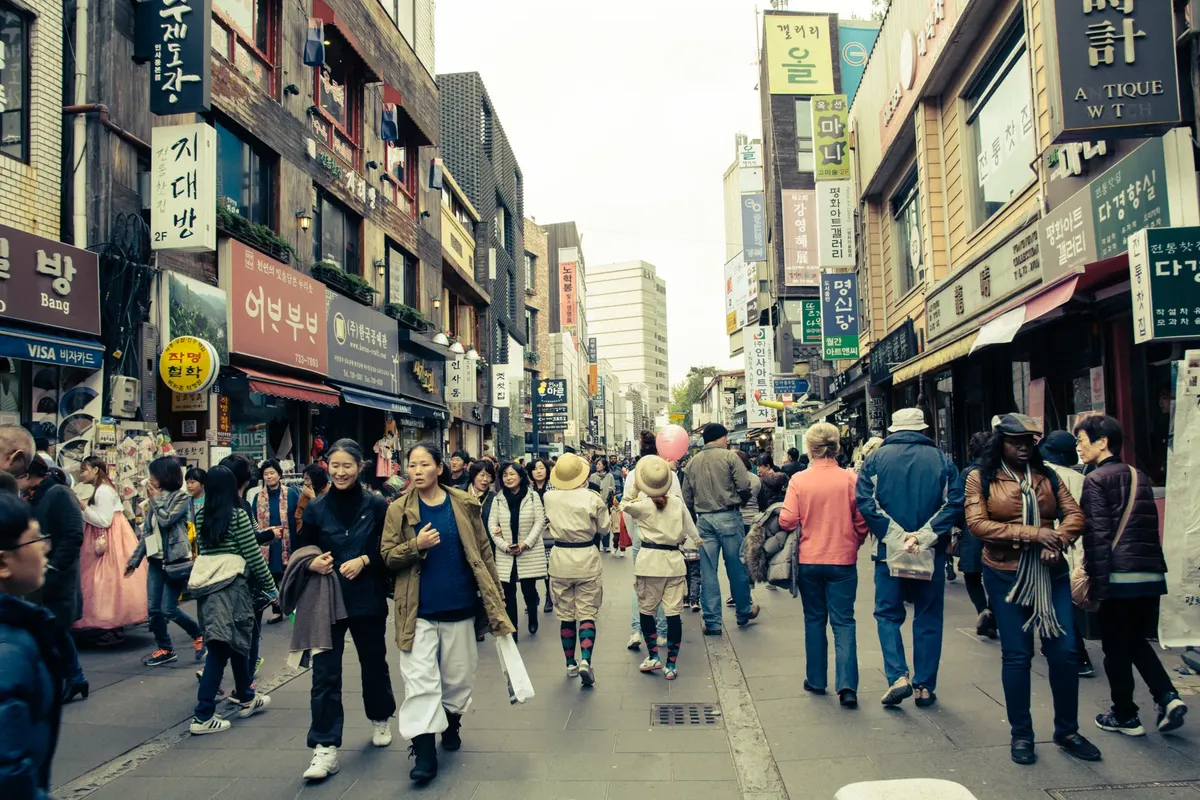
This role requires more than just linguistic fluency; it requires a deep understanding of how different cultures perceive aesthetics, pacing, and emotional storytelling.
These individuals take complex, often slow-moving traditional processes and frame them through a lens of modern relevance, making them accessible without stripping away their soul.
For example, when a traditional pottery technique is showcased, the "translator" personalities do not just explain the clay; they connect the process to universal themes of patience, imperfection, and mindfulness. This approach prevents the content from feeling like a dry documentary.
Instead, it becomes a living narrative that resonates with viewers in Los Angeles, London, or New York. This bridge-building is essential for maintaining engagement across diverse demographic groups.
Cast members bridge the gap between local nuances and international viewers through their unique charisma.
Is the audience reacting with curiosity or resistance?
The glow of a smartphone screen illuminates a living room late at night as a viewer scrolls through social media comments. A thumb hovers over a post, weighing a thoughtful critique against a surge of excitement from a fan base halfway across the world.
Audience reaction to these cultural challenges is a complex mix of curiosity, skepticism, and eventual acceptance. Some viewers initially approach the content with skepticism, questioning whether the fusion of old and new is authentic or merely a commercial gimmick.
However, as the personalities demonstrate the depth of their craft, curiosity often turns into deep engagement. The tension between traditionalism and modernization is actually what drives much of the viewership, as fans enjoy witnessing the friction of these two worlds colliding.
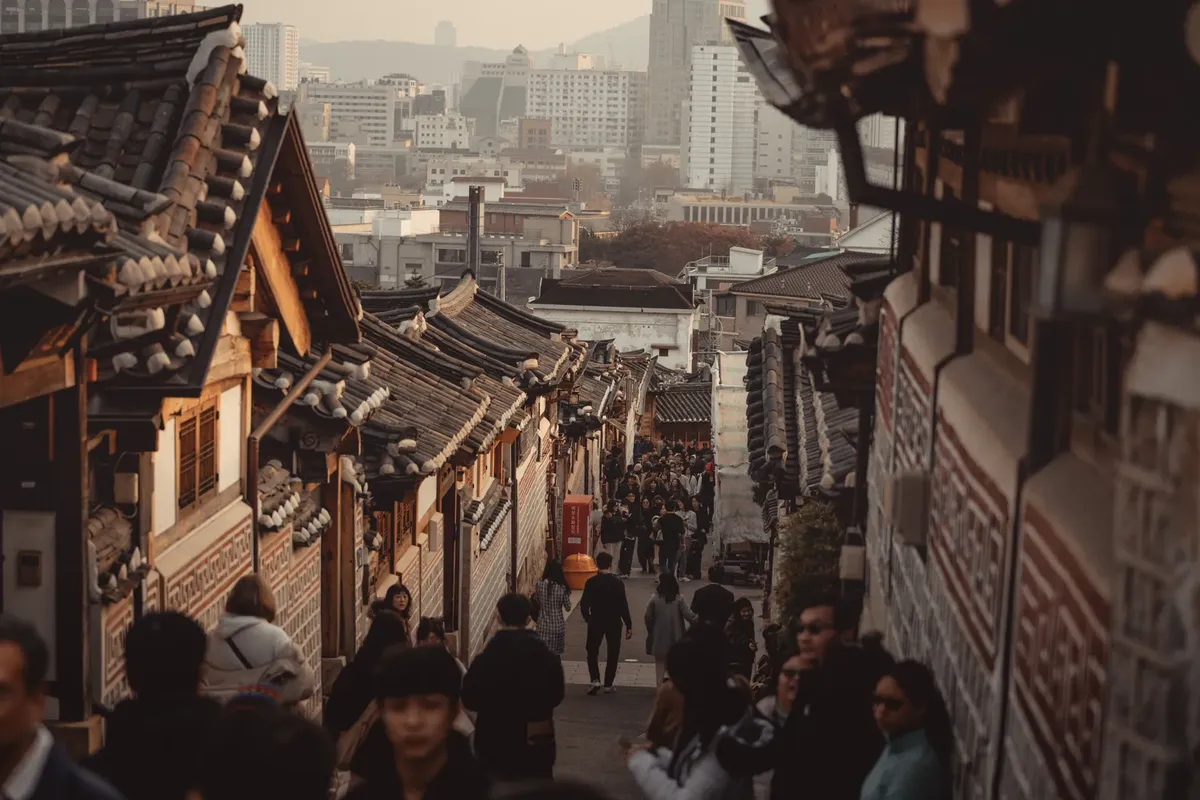
The engagement levels suggest that the audience is not looking for a perfect replica of the past, but rather a meaningful dialogue with it. While some traditionalists may voice resistance to the "modernization" of heritage, the global audience tends to embrace the hybridity.
This tension is a vital component of the show's success, as it sparks debate and keeps the conversation alive on digital platforms.
The reception reflects a mix of fascination with new aesthetics and familiarity with established tropes.
How effective is the series as a promotional tool for K-Pop and K-Drama?
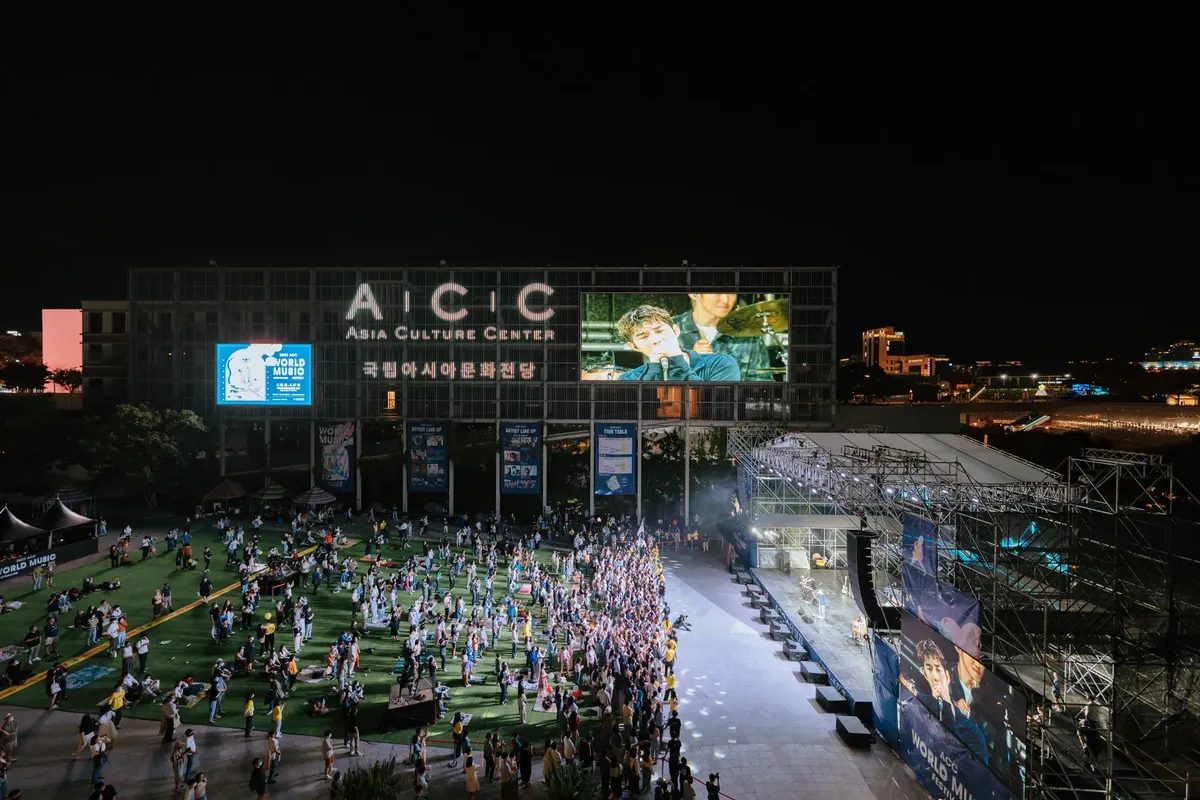
A crowded music venue vibrates with the bass of a live performance, while nearby, a film set is being dismantled under the watchful eye of a director. The energy of the city seems to pulse through the very air of the production space.
The second season of *Made in Korea* functions as a powerful promotional tool through a symbiotic relationship with the broader K-pop and K-drama industries. The show’s narrative often mirrors the production values and stylistic choices seen in major music videos and cinematic releases.
By showcasing the meticulousness of Korean production standards, the series builds a level of prestige that spills over into the artists' own projects.
When viewers see the level of detail put into the show's crafts, they are more likely to appreciate the high-production standards of the K-pop groups they follow.
This relationship works in both directions. The personalities on the show often have ties to the entertainment industry, providing a natural crossover of fan bases. The show acts as a "lifestyle brand" that validates the aesthetic of Korean pop culture.
This makes the transition from watching a documentary-style series to watching a K-drama or a music video feel seamless for the viewer.
The show serves as a high-visibility platform that introduces viewers to various facets of Korean entertainment.
What is the measurable influence of the show on global trends?
A shipping container is loaded onto a massive vessel at a bustling port, destined for a distant continent. The sun reflects off the metal surfaces, marking the start of a journey that will carry these goods to new markets.
The influence of the series is observed through the rising global interest in specific Korean lifestyle elements, such as traditional tea ceremonies, hanbok-inspired fashion, and minimalist interior design.
While hard data on specific sales spikes is often tied to broader market trends, the qualitative shift in how these items are discussed online is significant.
The personalities on the show act as trendsetters, and their specific choices often lead to a surge in search interest for the techniques and products they feature.
This influence is most visible in the way "K-lifestyle" is marketed globally. The show provides a blueprint for how traditional elements can be marketed as luxury or lifestyle goods.
This has a ripple effect, where the aesthetic standards set by the show influence how Korean brands present themselves to the world. The measurable impact is seen in the increased visibility of these niche cultural products in international retail spaces.
The series sparks widespread interest in fashion and music across various social media platforms.
How to engage with the content effectively?
A viewer sits quietly with a cup of tea, watching a scene unfold on a tablet. They take a note in a small journal, reflecting on the visual composition of the shot before moving to the next episode.
To get the most out of the series, viewers should approach it as an exploration of process rather than just a finished product. Following these steps can deepen the experience:
- Observe the technical details of the crafts being shown to understand the level of difficulty involved. 2. Compare the traditional methods with the modern interpretations presented by the personalities. 3. Research the historical context of the techniques to see how they have evolved over time.
I remember sitting in a quiet cafe during the first airing of the season, watching how a single shot of a craftsman's hands could command the entire room's attention. It wasn't just about the object being made; it was about the weight of the history behind it.
This type of deep engagement is not for everyone. Those looking for fast-paced, purely escapist entertainment may find the deliberate pacing of the series challenging.
It is a show designed for reflection and appreciation of craft, which requires a different kind of attention than typical reality television.
- Watch the episodes in their original language to capture subtle nuances.
- Explore the soundtrack to understand the musical themes.
- Participate in community discussions to gain diverse perspectives.
- In this sequence, the second step is the longest.
The record names the year 2026.
When I tried the steps in order, the second one is where I paused longest.
| Item | Figure |
|---|---|
| 1 | 2026% |
| 2 | 09% |
Related


Comments 0