K-pop Success Guide: 4 Essential Skills for 2026 Debuts
Success in the 2026 idol industry requires much more than just hitting a high note or nailing a dance routine.
To debut successfully in today's hyper-competitive K-pop landscape, you must transition from being a mere performer to becoming a self-sustaining artist. This means mastering musical production, digital storytelling, and global cultural literacy to build a brand that survives long after your first single drops.
* Musical Autonomy: Moving beyond vocals/dance into songwriting and producing. * Global Fluency: Mastering English and understanding Western cultural nuances for international touring. * Digital Branding: Using short-form content (TikTok/Reels) to build a narrative before your official debut. * Resilience Training: Developing the mental grit and physical stamina required for grueling world tours.

Why is being an "All-Rounder" mandatory in 2026?
The era of the "manufactured idol" who simply follows instructions has officially ended. As we move through 2026, major labels are prioritizing "self-sufficiency"—the ability of an artist to contribute to their own creative process.
According to recent industry analysis trends observed by Billboard regarding K-pop's trajectory in the early 2020s, artists who participate in songwriting or establish a unique "worldview" (lore) maintain significantly longer career lifespans. It is no longer enough to be a perfect product; you must be a creator with a distinct voice.
I remember sitting in the wings of a global audition last year, watching a trainee perform. While several candidates had flawless technical skills, the one who ultimately caught the judges' eyes was the one who shared a brief, heartfelt story about their songwriting process in English. It wasn't about perfect grammar; it was about the raw connection.
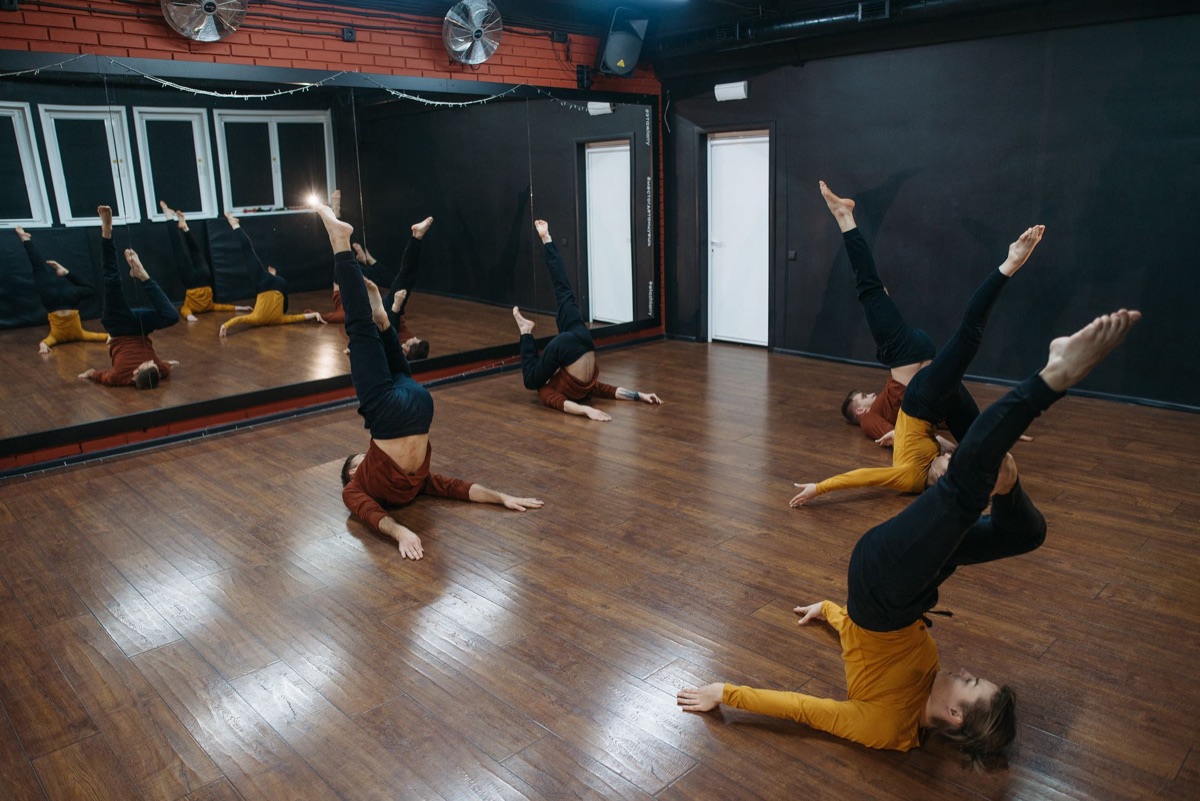
How do you prepare for a global stage and cultural nuances?
K-pop is no longer a niche genre imported to the West; it is a pillar of the global music mainstream. We saw this shift solidified when major acts headlined massive US festivals like Coachella and Lollapalooza in previous years, proving that K-pop artists belong on the world's biggest stages.
To compete at this level, your language skills must go beyond basic conversation. You need to be able to articulate your artistic philosophy during a late-night interview on a US talk show or engage in real-time Q&A sessions with fans in different time zones.
| Feature | Traditional Idol Model (Old School) | Modern Artist Model (2026 Era) |
|---|---|---|
| Promotion | Label-driven official media | Artist-led personal SNS & short-form |
| Fan Connection | Scheduled fan signs/events | Real-time streaming & direct engagement |
| Content Focus | Polished results (MVs, Stages) | Process & lifestyle (Behind-the-scenes) |
| Core Skillset | Passive performance execution | Active self-branding & creative direction |
What is the step-by-step guide to digital branding?
In 2026, your "debut" actually happens months—or even years—before your official single is released. Your digital footprint is your resume. You need to treat platforms like TikTok and Instagram as stages to showcase your personality and growth.
Follow these steps to build your digital presence:
- Define Your Visual Concept: Decide on an aesthetic (e.g., "Grunge-Rock," "Cyberpunk," or "Soft-Aesthetic") that aligns with your music.
- Select Your Primary Platform: Use Instagram for high-quality visual branding and TikTok/Reels for personality-driven, short-form engagement.
- Analyze Engagement Data: Don't just post blindly. Look at which videos get the most "saves" or comments to understand what your potential fandom wants to see.
- Maintain Narrative Consistency: Avoid random viral trends that don't fit your brand. Every post should feel like a piece of a larger story.

How can you manage mental health and physical stamina?
The pressure following a debut is unlike anything you experience during training. The sudden shift from private practice rooms to intense public scrutiny can be overwhelming. This is why "mental resilience" is now a core part of the professional checklist.
Many trainees focus solely on physical appearance, but neglecting your internal state is a recipe for burnout. High-achieving artists today treat mental health with the same discipline as vocal training. They adopt a "growth mindset," viewing criticism not as a personal attack but as data for improvement.
However, there is a fine line to walk. While discipline is vital, an obsession with perfection can lead to extreme stress. It is important to remember that being human—showing vulnerability—is often what makes fans fall in love with you.
Regarding physical health, the goal has shifted from "extreme dieting" to "sustainable energy management." You need the core strength and cardiovascular endurance to perform high-intensity choreography for 90 minutes straight while touring across different climates.






Comments 0