What defines the demographic of Kim Jong Un defector rights?
"The movement of people across borders remains one of the most complex human rights challenges of our time."
The discussion surrounding Kim Jong Un defector rights involves understanding the demographic shifts, resettlement procedures, and international presence of those fleeing the North.
This overview covers the gender distribution of defectors, the mandatory interrogation process in South Korea, and the scale of the refugee population in Europe.
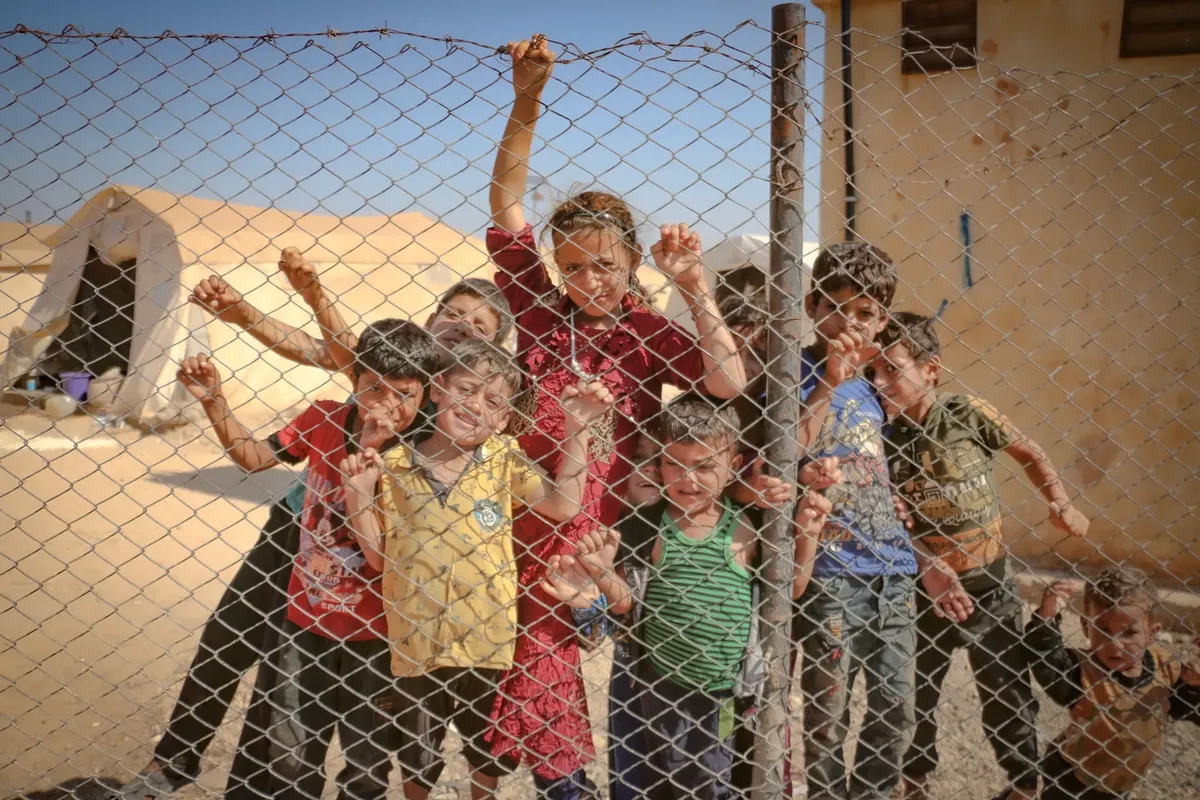
Key takeaways: 1. Female defectors represent a significant majority of those arriving in South Korea since 1998. * Mandatory 90-day interrogation is a standard entry procedure for those entering South Korean territory. * A notable population of North Korean refugees exists within Europe.
What defines the demographic of Kim Jong Un defector rights?
A researcher looks through a stack of demographic reports to understand the shifting faces of migration. The data shows that the population of those leaving North Korea is not uniform.
According to a survey conducted by the North Korean Refugees Foundation, approximately 71% of North Koreans who have defected to South Korea since about 1998 are female. This gender imbalance highlights specific vulnerabilities and motivations among those seeking asylum.
The composition of these groups varies by region and age. About 76% to 84% of defectors interviewed in China or South Korea came from the North Korean provinces bordering China.
How does the South Korean government manage the arrival process?
At dawn in the sterile government office, the official gripped his pen tightly while reviewing the paperwork for a new jong.
An official sits at a desk in a government building, reviewing the paperwork of a new arrival. The administrative handling of these individuals is strictly regulated to ensure security and legal compliance.
This management includes transitioning individuals into new lives through specific terminology and support.
On 9 January 2005, the South Korean Ministry of Unification announced the use of saeteomin (새터민, "people of new land") instead of talbukja (탈북자, "people who fled the North"), a term about which North Korean officials expressed displeasure.
What are the mandatory steps for North Korean refugee protection?
Inside the cold interrogation room at midnight, the officer gripped his clipboard tightly as he questioned the arrival of a new jong.
A security officer walks through a quiet corridor toward a processing room. New arrivals must undergo a specific sequence of events to be integrated into the South Korean legal system.
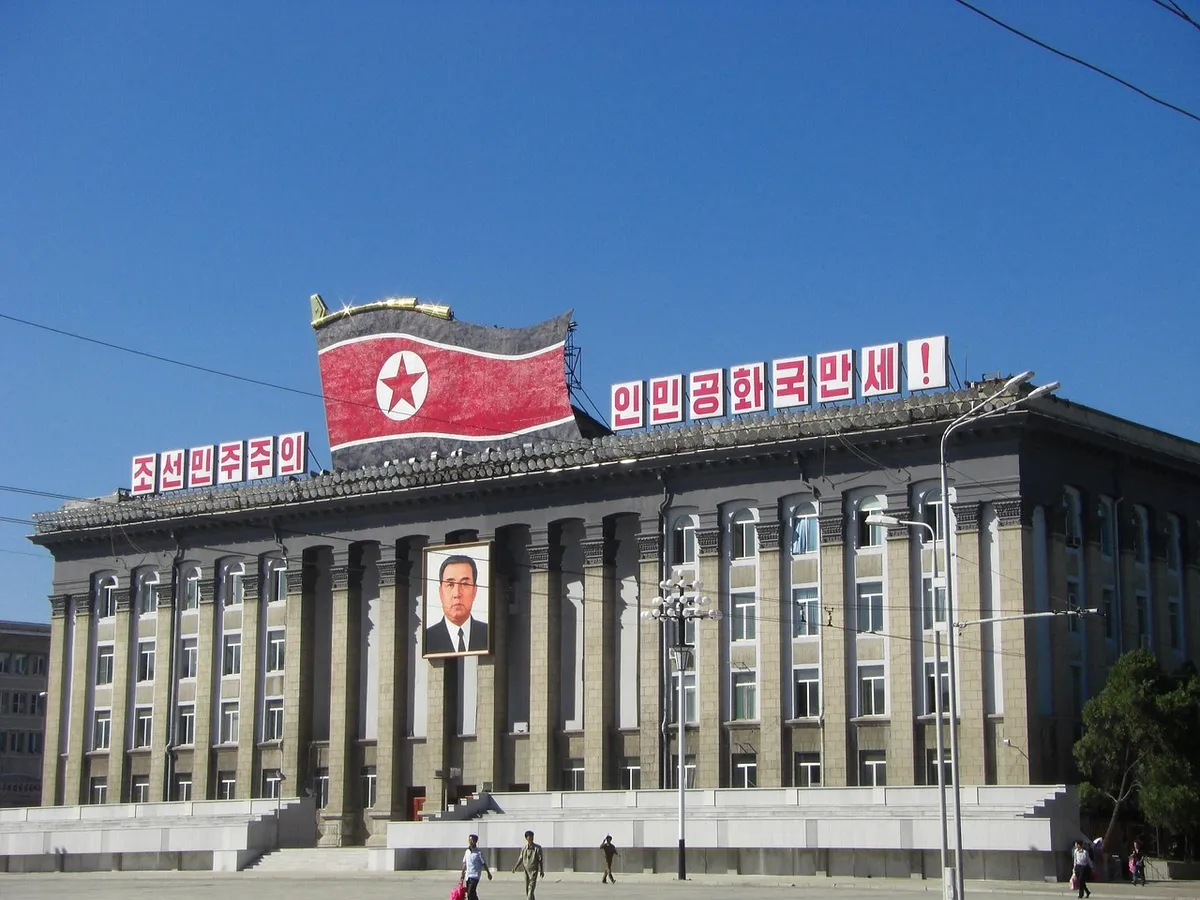
North Korean defectors must first enter the North Korean Refugee Protection Center, run by the National Intelligence Service, for interrogation for about 90 days when they leave North Korea and enter South Korea. This period is essential for verifying the identity and background of the individuals.
The process involves several layers of authority to ensure national security.
How widespread is the North Korean refugee presence in Europe?
A traveler looks at a map of Europe, marking the locations of various migrant communities. While much attention is focused on East Asia, the movement extends to the Western hemisphere.
In 2014, research by the human rights organisation the European Alliance for Human Rights in North Korea claims that there are around 1,400 North Korean refugees in Europe. This indicates a specialized group of individuals living outside the traditional East Asian routes.
The distribution of these individuals depends on various political and social factors. While the numbers in Europe are relatively small, they represent a significant portion of the global North Korean diaspora.
What were the age demographics in recent years?
A sociologist examines a chart showing the age breakdown of a specific population group. Understanding the age of defectors helps in planning social support and education.
As of February 2014, the age demographic of North Korean defectors shows that 4% were ages 0–9, 12% were ages 10–19, 58% were ages 20–39, 21% were ages 40–59, and 4% were over 60. This shows that the majority of those arriving are young adults.
The demographic shifts over time can change the needs of the community. For example, in 2002, they comprised 56% of defections to South Korea (1,138 people), and by 2011, the number had grown to 71% (2,706 people).
How can we compare the different refugee groups?
A student compares two different sets of data on a digital tablet. Looking at the different ways people move and live helps clarify the scope of the issue.
| Category | Statistical Detail |
|---|---|
| Female Defectors (since 1998) | Approximately 71% |
| European Refugees (2014) | Around 1,400 |
I observed that the demographic data provides a clear picture of the current movement. The data remains limited to the specific timeframes and regions mentioned in the research.
- What defines the demographic of Kim Jong Un defector rights?
- How does the South Korean government manage the arrival process?
- What are the mandatory steps for North Korean refugee protection?
The same subject is also called North Korea human rights.
The same subject is also called Defector rights discussion.
The same subject is also called Kim Jong Un regime.
The same subject is also called International North Korea.
This part also covers Global talk on North Korea.
This part also covers Human rights for defectors.
This part also covers International community views.
Global talk on North Korea
Related
- How can fans prepare for an evolving Kpop landscape?
- North Korean defector K-culture: 71% of defectors are women






Comments 0