Paris Korean Culture Hub: Guide to City's Tourism Support
A traveler stands in the bustling terminal of Charles de Gaulle, gazing at the flight boards that connect the East to the West.
The Paris Korean Culture Hub is emerging as a vital intersection for global travelers and cultural enthusiasts. This guide explores how the city's massive tourism infrastructure and historical transit importance facilitate a new era of cultural exchange.
Key takeaways include the significance of existing museum traffic, the role of major airport hubs, and the strategic importance of long-haul flight routes.
How does the existing tourism landscape support a Paris Korean Culture Hub?
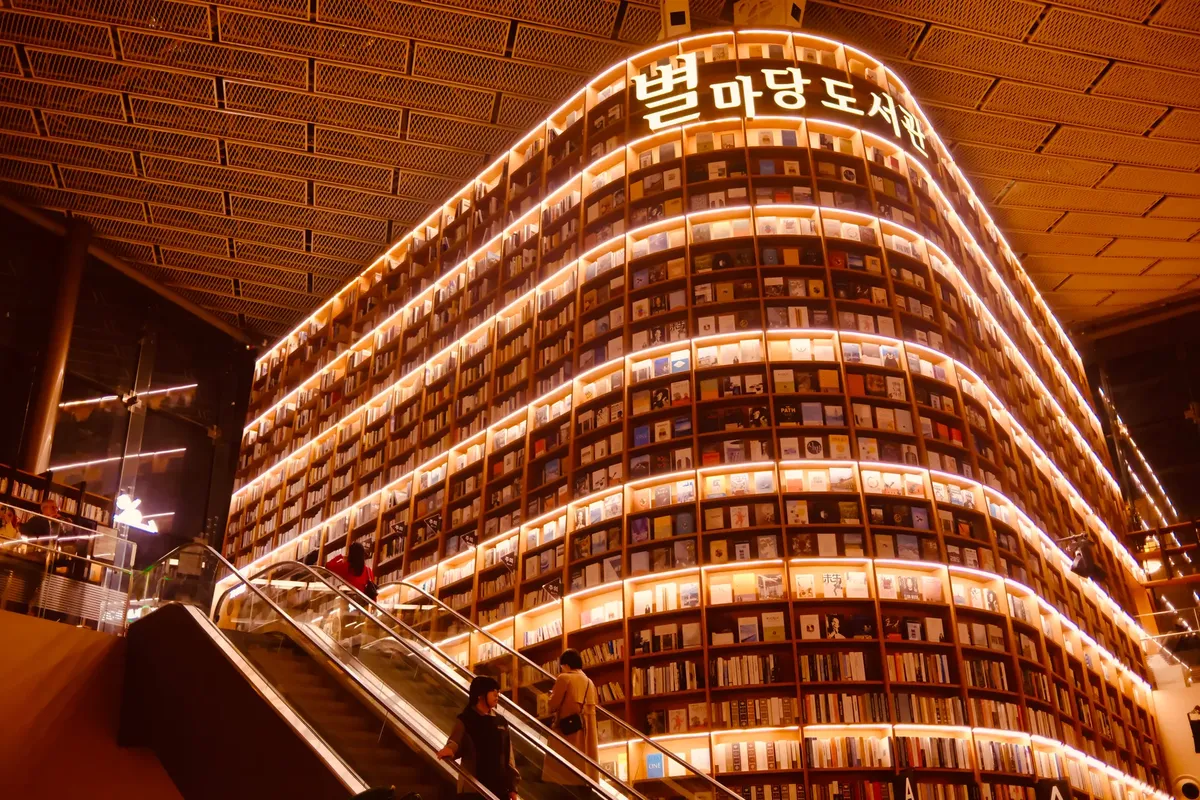
A visitor walks through the grand halls of the Louvre, surrounded by millions of people from every corner of the globe. The scale of local tourism provides a massive audience for any new cultural movement.
The existing visitor numbers in the city suggest a high capacity for diverse cultural engagement. In 2022, the Louvre Museum saw 7.7 million visitors, while the Eiffel Tower hosted 5.8 million visitors.
The Musée d'Orsay recorded 3.27 million visitors, and the Centre Pompidou welcomed 3 million visitors. This massive influx of people creates a natural environment for a Paris Korean Culture Hub to thrive.
The presence of these major attractions ensures constant foot traffic. A Hallyu in Paris could leverage these existing crowds to introduce new perspectives. The sheer volume of visitors makes the city an ideal staging ground for global trends.
However, the impact may be limited if the hub fails to integrate with established local tourism routes.
What role does aviation play in the Korea hub in Paris?
A pilot adjusts the controls in a cockpit, preparing for a long journey across continents. The connection between Seoul and Europe has long relied on specific flight paths.
Air travel is the backbone of international cultural movement. Historically, because South Korean aircraft were prohibited from flying in the airspace of North Korea and the Soviet Union, European routes had to be designed eastbound from South Korea, such as Seoul to Anchorage to Paris.
This long-standing connection established a reliable bridge for people and ideas.
Modern aviation continues to facilitate this movement. A Korea hub in Paris relies on these established transit corridors to maintain steady visitor flow. The ease of travel between these regions is essential for sustained cultural presence.
However, the benefits of increased flight connectivity are limited if ground transportation to the hub remains inefficient.
How can traditional and modern art coexist in the city?
An art enthusiast stands before a contemporary installation, contemplating the blend of old and new. The city is already home to diverse collections that welcome global perspectives.

The city's museums already host a wide variety of indigenous and global art. In 2021, the Fondation Louis Vuitton saw 691,000 visitors, along with the Musée du Quai Branly – Jacques Chirac, which features indigenous art and cultures of Africa, Asia, Oceania, and the Americas.
These institutions show that the city is prepared for deep cultural immersion.
Integrating new elements into this landscape is a natural progression. A Korean cultural presence could find common ground with these existing collections. The diversity of the current museum scene provides a perfect backdrop for new artistic dialogue.
However, the synergy between eras is limited if the curation lacks a cohesive narrative.
What is the scale of the metropolitan area for cultural expansion?
A resident looks out over the sprawling skyline of the city, seeing the vastness of the urban landscape. The size of the population offers a massive potential audience.
The scale of the city is significant for any large-scale cultural movement. As of January 2026, the estimated city population is 2.04 million in an area of 105.4 km2, while the metropolitan population was 13.3 million in 2023.
This vast population provides the necessary density for a robust cultural hub.
With millions of residents and visitors, the potential for engagement is enormous. The metropolitan reach allows for both local and international impact. This scale is a key factor in the success of any large-scale cultural initiative.
However, expansion efforts are limited if the infrastructure cannot keep pace with the growing metropolitan footprint.
How do we manage the logistics of a new cultural hub?
A logistics coordinator manages the flow of goods and people through a busy terminal. Successful expansion requires careful planning and structured steps.
To build a sustainable presence, certain steps should be considered:
- Assess the existing transit infrastructure to ensure seamless traveler movement. 2. Identify key museum and cultural sites for potential collaborative programming. 3. Utilize the existing metropolitan density to establish local community roots.
A final check involves verifying that all activities align with the city's existing cultural regulations and capacity. I noticed that the scale of the metropolitan area makes these logistics both challenging and rewarding.
- Assess the current supply chain and distribution networks.
- Establish localized management protocols.
- Implement real-time monitoring systems.
- In this sequence, the second step is the most critical.
Wikipedia: Paris Based on the retained excerpt mentioning Institut Français D'opinion Publique (IFOP): In a 2011 survey by the Institut français d'opinion publique (IFOP), a French public opinion research organisation, 61 percent of residents of the Paris Region (Île-de-France) identified themselves as Roman Catholic.
The same subject is also called Korean culture Paris.
The same subject is also called Paris cultural exchange.
This part also covers Korean traditional events Paris.
This part also covers Boosting Korean global fame.
Korean traditional events Paris
Related



Comments 0