K-Culture's Global Leap: 2026 KCON in Saitama Unites Fans
"When the house lights dim and the roar of the crowd lingers like an echo, we realize we are standing at the heart of a new global culture."
The 2026 KCON in Saitama was more than just a concert; it was a massive cultural melting pot where fandoms from across the globe converged.
Witnessing the raw energy of K-pop performance paired with the disciplined enthusiasm of local fans offered a clear glimpse into the future of global entertainment.
* The massive scale of the Saitama venue and the sheer power of fan unity. * The seamless blend of high-octability K-pop performances and local fan customs. * The shared cultural language and the value of global community exchange.
How did the thunderous cheers in Saitama begin?
At 3:00 PM on a sunny August afternoon in 2026, the plaza surrounding the Saitama venue was already swarming with fans clutching colorful lightsticks. Although the outdoor air held a slight chill, the heat radiating from the crowd made the temperature feel much higher.
The first thing I noticed upon arrival was the incredible sense of order. Thousands of fans stood in neat, organized lines, clutching merchandise and trading smiles while checking each other's fan outfits. It didn't feel like a crowd of strangers; it felt like a massive, cohesive community.
People moved through the gates to collect leaflets and merchandise with purpose, yet no one pushed or caused a scene. Everyone waited patiently for their turn. Even in this calm environment, the eyes of every fan were fixed toward the stage, glowing with intense anticipation.
This organized atmosphere was merely the calm before the storm, waiting to transform into an explosion of energy.
How do the stage performance and the fandom breathe as one?
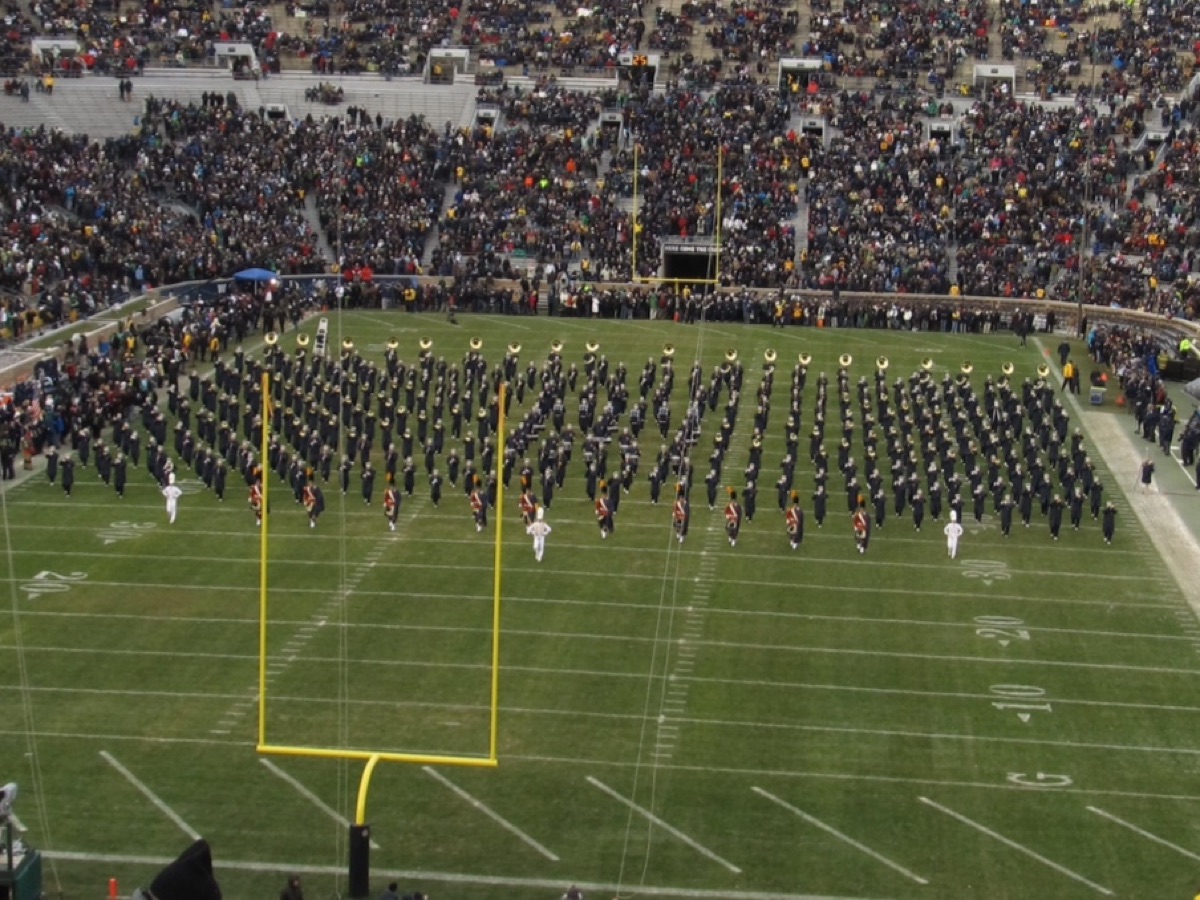
As the first artist's intro began to play, the massive Saitama arena was instantly swallowed by a wall of sound. Every time the artist executed a sharp, synchronized dance move or a heavy beat dropped, the vibrations traveled through the floor and up through the soles of my shoes.
Looking back at the roots of this movement, the early 2010s saw artists like 4Minute, B.A.P, Exo-M, Nu'est, VIXX, and G.NA lead the charge for K-pop's global expansion. The 2026 lineup carried that same torch, featuring powerful performances that represented different generations of the genre.
Fans moved in perfect unison with the artists, shouting fan chants that made them feel like an extension of the performance itself.
The local fan culture in Japan added a layer of technical precision. Lightsticks changed colors and flashing speeds in perfect synchronization with the music, creating a massive, undulating wave of light across the stadium.
The interplay between the artist on stage and the reaction from the crowd was nothing short of spectacular.
As the bright stage lights flickered off between sets, the crowd's excitement only grew, hungry for the next track.
The unique blend of Japanese fan culture and K-pop
Japanese fandom culture is a unique marriage of meticulous rules and deep, abiding affection. Throughout the venue, fans shared handmade goods and maintained a level of etiquette that allowed them to express their presence without disrupting the flow of the show.
The characteristics of the fandom observed on-site included:
- Strict adherence to timing: Entry and seating processes were handled with incredible systematic efficiency. 2. Sophisticated tool usage: The use of lightsticks and synchronized fan chants was executed with professional-level precision. 3. Quiet but intense solidarity: Despite the massive numbers, the crowd maintained order, allowing total focus on the artists.
This local culture merged with the dynamic energy of K-pop to create a new kind of concert experience. Fans weren't just listeners; they acted as active participants, helping to shape and complete the "worldview" of the artists.
This fusion offered a new model for how different cultures can interact through a shared passion.

KCON as a hub for global cultural exchange
KCON functioned as much more than a concert; it served as a massive platform where K-pop, food, beauty, and digital content intersected. Around the venue, booths offered everything from Korean street food samples to the latest skincare trends.
The scene was a crossover of local residents looking to experience the latest Korean trends and Korean artists showing deep respect for the local culture. It was a bridge where people from different nations connected through the common language of fandom.
Seeing fans from all over Asia own different native languages but performing the same gestures and singing the same lyrics was a powerful sight. It served as living proof of how K-culture's soft power can unite a global audience.
This cultural intersection is a vital indicator of how global entertainment will evolve in the coming years.
A practical guide for visiting large-scale venues
If you are planning to visit a massive venue like Saitama, understanding the local environment is key. Based on my time on the ground, I have compiled these practical tips for a smooth experience.
| Category | Key Details and Preparations | Note |
|---|---|---|
| Transport | Use public transit; the area will be extremely crowded. | Factor in walking time from the station to the venue. |
| Gear | Check lightstick batteries and bring extra power packs. | Official merchandise often sells out early. |
| Etiquette | Maintain personal space and follow official venue guidelines. | Respect local customs and crowd management. |
| Temperature | Bring a light jacket for the transition between indoor and outdoor. | Prepare for seasonal shifts in temperature. |
3-Step Checklist for a Successful Show:
- The Prep Phase: Learn the latest hits and fan chants beforehand to maximize immersion. 2. The Arrival Phase: Arrive at least 2–3 hours early to secure merchandise and soak in the atmosphere. 3. The Show Phase: Focus on the performance while being mindful of the sightlines of those around you.
These steps ensure that the experience is about more than just entertainment—it becomes a seamless moment of connection.
The changing future of global fandom
The Saitama event proved that the power of K-pop lies not just in the music, but in the robust cultural ecosystem created by the fans. Fans are no longer passive consumers; they are the core drivers of content distribution and value.
Moving forward, K-culture will likely expand further through digital integration, but offline shows will remain the most powerful physical touchpoints for fans. The fusion of local customs with global K-pop strategies will continue to evolve into even more sophisticated forms of engagement.
The moments of euphoria witnessed on that stage were mere precursors to an even larger global cultural explosion.
FAQ: Frequently Asked Questions
Q: Are there specific things to watch out for when attending KCON in Japan? A: Japanese fan culture places a high value on order and manners. It is important to follow queuing protocols and be mindful of how your movements might affect those in the seats around you.
Q: Can I buy lightsticks directly at the venue? A: While official merchandise is sold on-site, popular items often sell out very quickly. It is highly recommended to use pre-order options if available or arrive very early.
Q: What is the core of K-pop fandom culture? A: It is the unbreakable bond between the artist and the fan, combined with the solidarity within the fan community. It is about co-creating a culture rather than just watching a show.
Summary The KCON in Saitama was a breathtaking moment where the explosive energy of K-pop met the disciplined passion of local fans. The process of the artist's performance and the fan's response merging into one single entity showed the pinnacle of cultural exchange.
This experience stands as a testament to K-culture's role as a powerful engine for global connection.





Comments 0