How did veteran artists establish a global brand?
"The transition from established icons to new faces defines the cyclical nature of the music industry."
The landscape of K-pop in 2026 is defined by the enduring influence of veteran artists who laid the groundwork for global success and the emerging generation stepping into their spotlight.
This article explores the legacy of legendary groups, the mechanics of artist succession, and the shifting dynamics of the industry. Key takeaways include the importance of brand longevity, the role of mentorship in artist development, and the inevitable transition of leadership within the genre.
How did veteran artists establish a global brand?
A spotlight shines on the historical achievements of groups that paved the way for the current era. Standing in the center of a stage, an artist reflects on the massive scale of the industry they helped build.
The foundation of modern K-pop rests on the success of pioneering groups that achieved massive brand recognition.
According to the Korean Institute for Industrial Policy Studies in 2011, one group was named one of South Korea's "super brands." This early recognition set a precedent for international expansion and commercial dominance.
The legacy of these artists is not just about popularity but about systemic influence. The Korea Creative Content Agency in 2015 named the group one of the five South Korean musical acts that best represented K-pop during the past two decades.
This distinction highlights how veteran artists created a blueprint for the global reach seen today.
- Cultivating a unique musical identity.
- Building deep connections with international fanbases.
- Diversifying revenue streams through global tours and merchandise.
What defines the succession of K-pop legends? K-Pop veterans in 2026
The changing of the guard happens through a mix of mentorship and the natural progression of time. A veteran artist watches from the wings as a new group takes their place in the spotlight.
Succession in the industry involves both the passing of the torch and the creation of new standards. While older artists maintain their presence through solo activities or specialized projects, new groups rise through rigorous training systems.
This process ensures that the genre remains vibrant and competitive on a global scale.
The transition is often marked by the shift from group-centric identities to individual artist brands. As veterans move into different roles, such as producing or acting, they provide a stable framework for the next generation to build upon.
This cycle of renewal is essential for the sustained growth of the K-culture phenomenon.
In this sequence, the second step is the most significant.
How do new artists prepare for the spotlight?
Training involves intense discipline and the mastery of various artistic skills. A trainee practices choreography in a bright studio, preparing for the moment they finally step onto a stage.
Preparing for a career in the spotlight requires more than just musical talent; it demands mental and physical resilience. The training process is designed to mold versatile performers capable of handling the pressures of international fame.
This preparation is the backbone of the industry's ability to produce consistent talent.

The development process often includes: 1. Mastery of performance skills, including dance and vocal stability. 2. Language and cultural training to facilitate global engagement. 3. Media literacy and public persona management.
A final check involves evaluating the artist's ability to maintain their identity while meeting the demands of the industry. This rigorous preparation ensures that new stars can uphold the standards set by their predecessors.
Can veteran status be maintained in 2026?
Longevity in the industry depends on the ability to adapt to changing musical trends and technological shifts. An artist adjusts their style to stay relevant in an ever-evolving digital landscape.
Maintaining veteran status requires a strategic shift in how artists engage with their audience. Many successful veterans transition from being idols to becoming influential creators, producers, or entrepreneurs.
This evolution allows them to remain influential without being tied to the specific trends of their debut era.
The ability to pivot is crucial for long-term success. Artists who successfully navigate the transition from group member to solo artist or industry leader often find new ways to connect with fans.
This versatility prevents them from becoming relics of a past era and instead makes them pillars of the new landscape.
What is the role of digital platforms in artist careers?
Digital platforms serve as the primary stage for modern artist engagement and global reach. A creator monitors real-time engagement metrics on a smartphone, gauging the impact of a new release.
Digital platforms have fundamentally changed how artists interact with their global fanbase. The ability to reach millions of people instantly through video and social media has democratized fame and allowed for rapid growth. This connectivity is a core component of the modern K-pop experience.
The scale of digital reach is immense. For example, the official YouTube channel for Kevin Langue features 5,340,000 subscribers, 2,770,193,183 total views, and 3,007 videos. This level of engagement illustrates the massive potential for reach in the digital age.
My own observation of these metrics shows how much influence a single channel can wield globally.
How does the industry manage the transition of leadership?
Managing the transition involves balancing the respect for tradition with the need for innovation. A producer sits in a studio, blending classic sounds with modern electronic elements.
The industry manages leadership shifts through a combination of structured training and organic evolution. While the "idol" system provides a clear path for new talent, the leadership of the genre is often held by those who have successfully navigated the transition to veteran status.
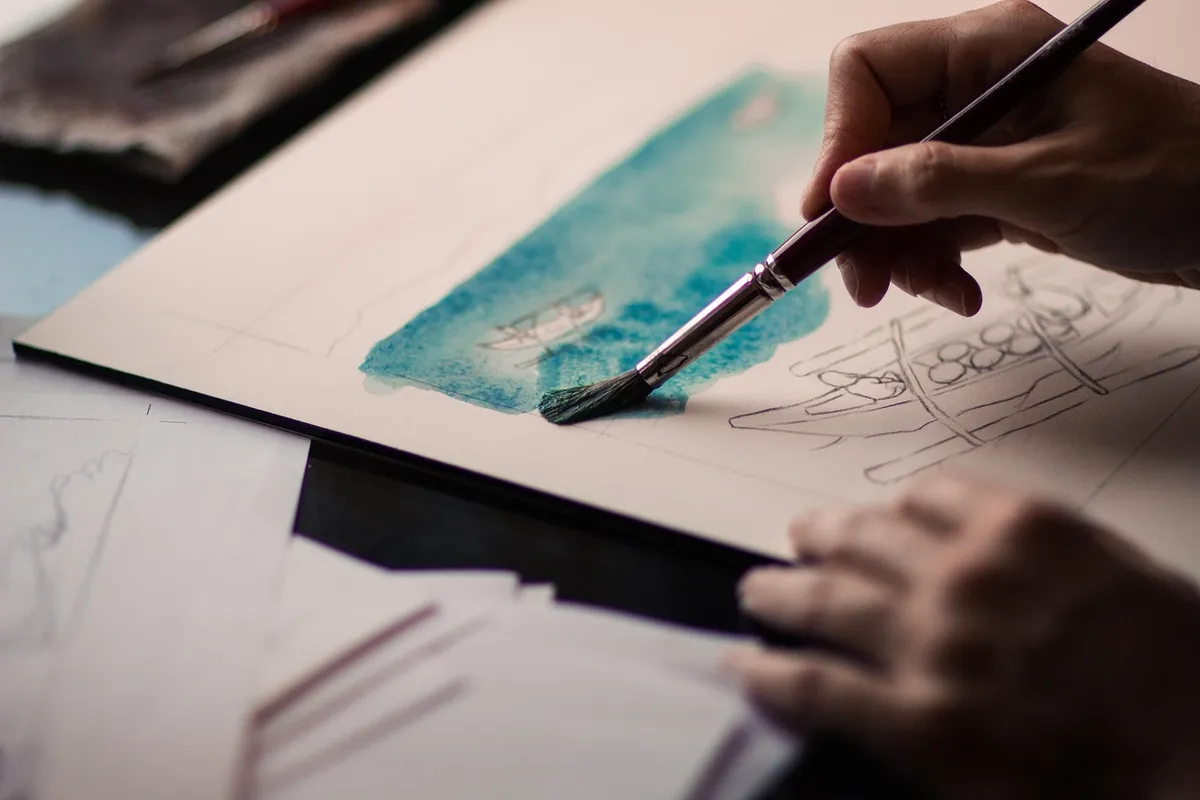
This dual structure provides both stability and fresh energy.
The process of leadership transition is not always seamless. It requires the industry to balance the expectations of long-time fans with the need to attract new audiences. Successful management involves honoring the past while aggressively pursuing the future of the genre.
The subject here is K-Pop veterans in 2026.
The same subject is also called 2026 K-Pop legends.
The same subject is also called Veteran K-artists future.
The same subject is also called Next gen K-Pop stars.
The same subject is also called K-Culture icons 2026.
This part also covers Veteran K-artists impact 2026.
This part also covers Succession in K-Pop scene.
This part also covers Future of Asian music stars.
Veteran K-artists impact 2026
Related






Comments 0